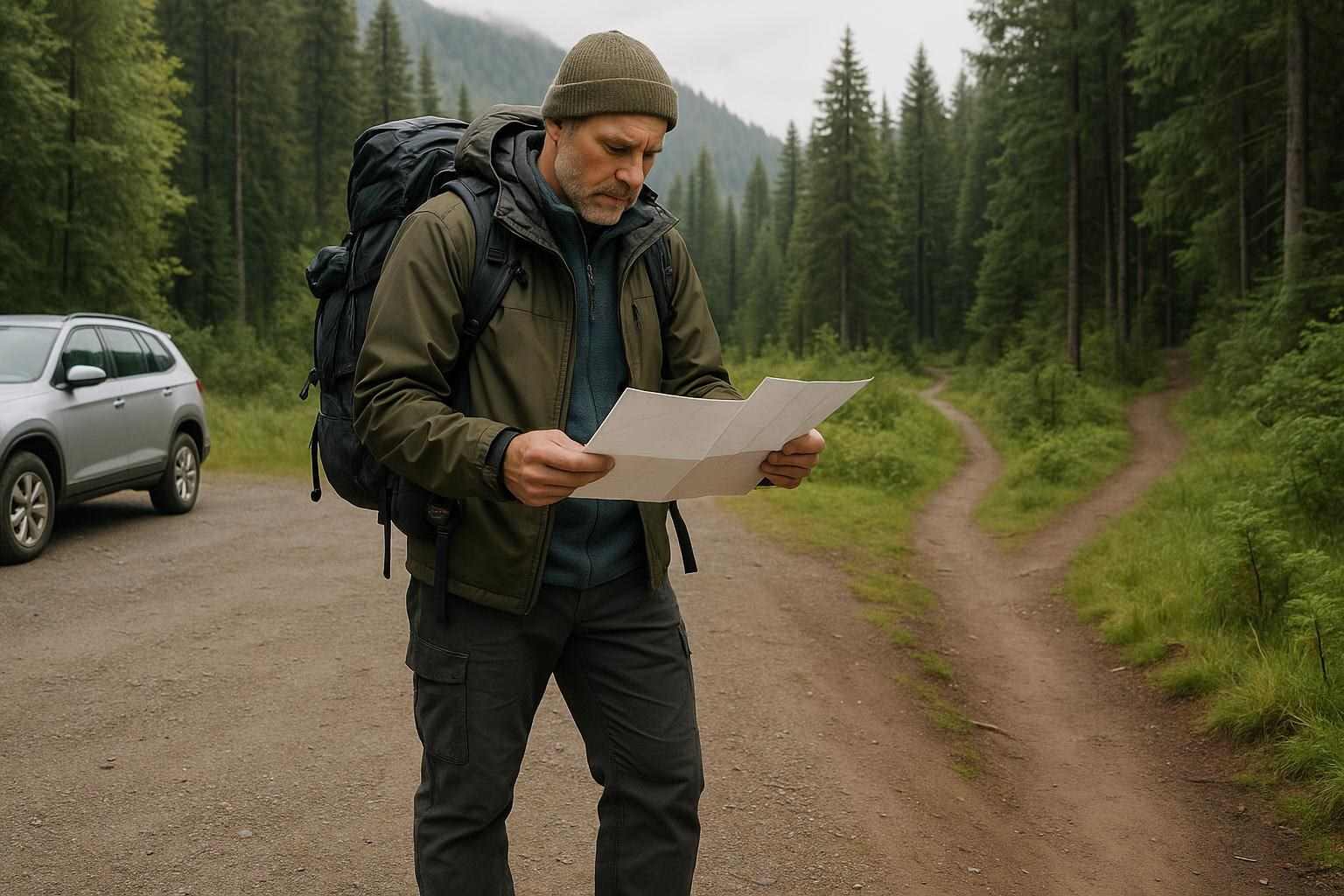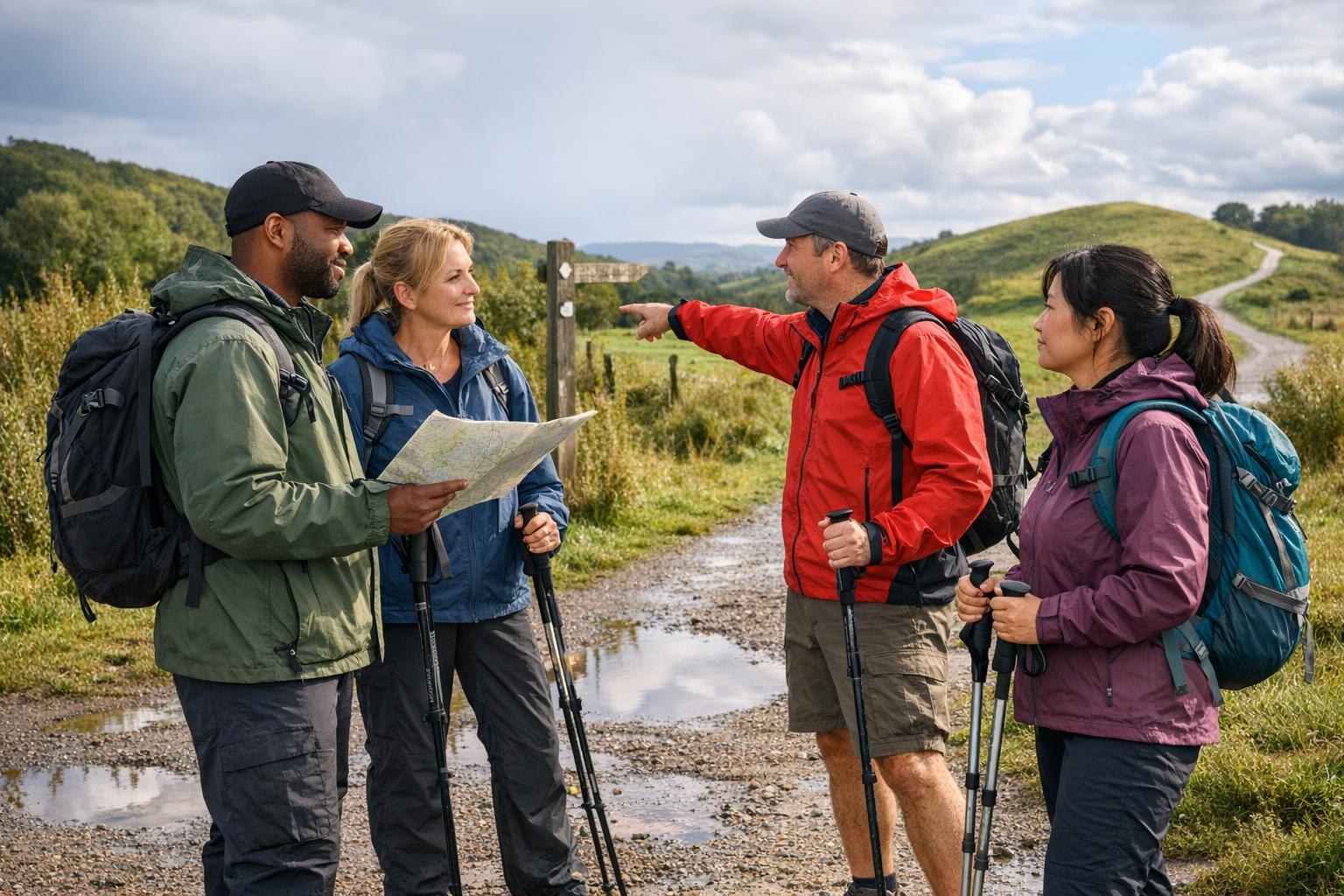
At first glance it seems a simple matter to plan a group walk – find a trail and off you go. But unless you know the group's various needs, limitations and preferences, things can soon go awry. While one or two in the group may be keen and able hikers, others may be struggling to regain their confidence on the trails, or even be managing the effects of an old injury. Family commitments, work pressures and other demands on their time can also present major challenges. So planning a good weekend walk for the group as a whole requires some initial discussion on what you all hope to achieve on the day, and then some practical decisions about trail, pace and the rest of it.
Agree on the kind of day everyone wants
Consider what type of day everyone wants to have. These are different products and need to be considered when planning a group walk. The organiser can then consider a number of factors when choosing a route, such as the length of the walk and the number of places to stop along the way.
All group members can be asked to give an indication of what will affect them on the walk (e.g. steep up hills, uneven surfaces, hot weather, exposed situation, lack of balance, low confidence or lack of time). No one needs to reveal information of a personal nature but the organizer needs to have some idea of what to expect from group members. Flat walking may be OK for some but long, descending, muddy or repetitive stretches of walking can be very tiring for others.
Set a shared expectation amongst all party members that changes to the route will occur as required. Of most concern is a member hiding the fact they are suffering from fatigue until it becomes a safety issue.
Match trail difficulty to the least prepared walker
While trail descriptions such as 'Easy' can be useful starting points, they are no guarantee of smooth walking, and a good walk description needs to be read in conjunction with the terrain, a profile of the elevation gain and loss as well as an assessment of how conditions might change as the day progresses.
Selecting routes for mixed fitness groups can be challenging. A good weekend walk for less able hikers is often best to select routes with a number of way points to stop along the way and alternative short cuts to end the day early if required. Loops can be less ideal than out and back routes as less able hikers may struggle returning along difficult sections of path. Selecing routes that run near roads/public transport etc with a central meeting point can make for a good early finish.
Refrain from choosing routes that appear impressive to the walk leader but which will cause undue stress on lesser ablers. Complete the modest route comfortably and leave hurried, stressful finishes down steeplong slopes to other occasions.
Set a hiking pace that does not split the group
Make sure the slowest person in your group can maintain conversation while walking at your set pace. If conversation ceases, people's shoulders start to harden and folk begin to miss turns then your pace is too fast for most of your party.
Use a front and back system to help to monitor for anyone that may have got lost from the main group. Even on the widest of paths it is best to keep the group together and have regular regroups.
It is far better to have short breaks where people can have a drink, eat some food and the leader can assess whether or not the rest of the section will be OK. At these breaks you can assess the next part of the walk and discuss with group members whether or not you will continue at the same pace or drop the intensity of the walk.
Choose the right transport and meeting plan
Much stress is involved in organizing the trip to and from the start of the route. Some participants will have driven whilst others will have traveled by public transport. Check where the group will meet, what arrangements will be in place for latecomers and how you will get back to the cars. A circular route can help with parking but does not necessarily make for the most accessible of walks.
Consider the return journey when selecting the route for a group outing. A long, gradual path to the end of the route may feel easy to complete by a tired hiker but a long walk back to cars, a crowded public transport service, or a exposed wait for a lift may be hardly manageable. Leave some flexibility in the planned return time and be aware of possible changes in services, access etc. on the day.
Provide walkers with enough information to choose what they need to take on the walk, including route, forecast for the conditions to be expected, the location where the group will meet and an estimated time of arrival at the end of the walk.
Adjust equipment without overloading people
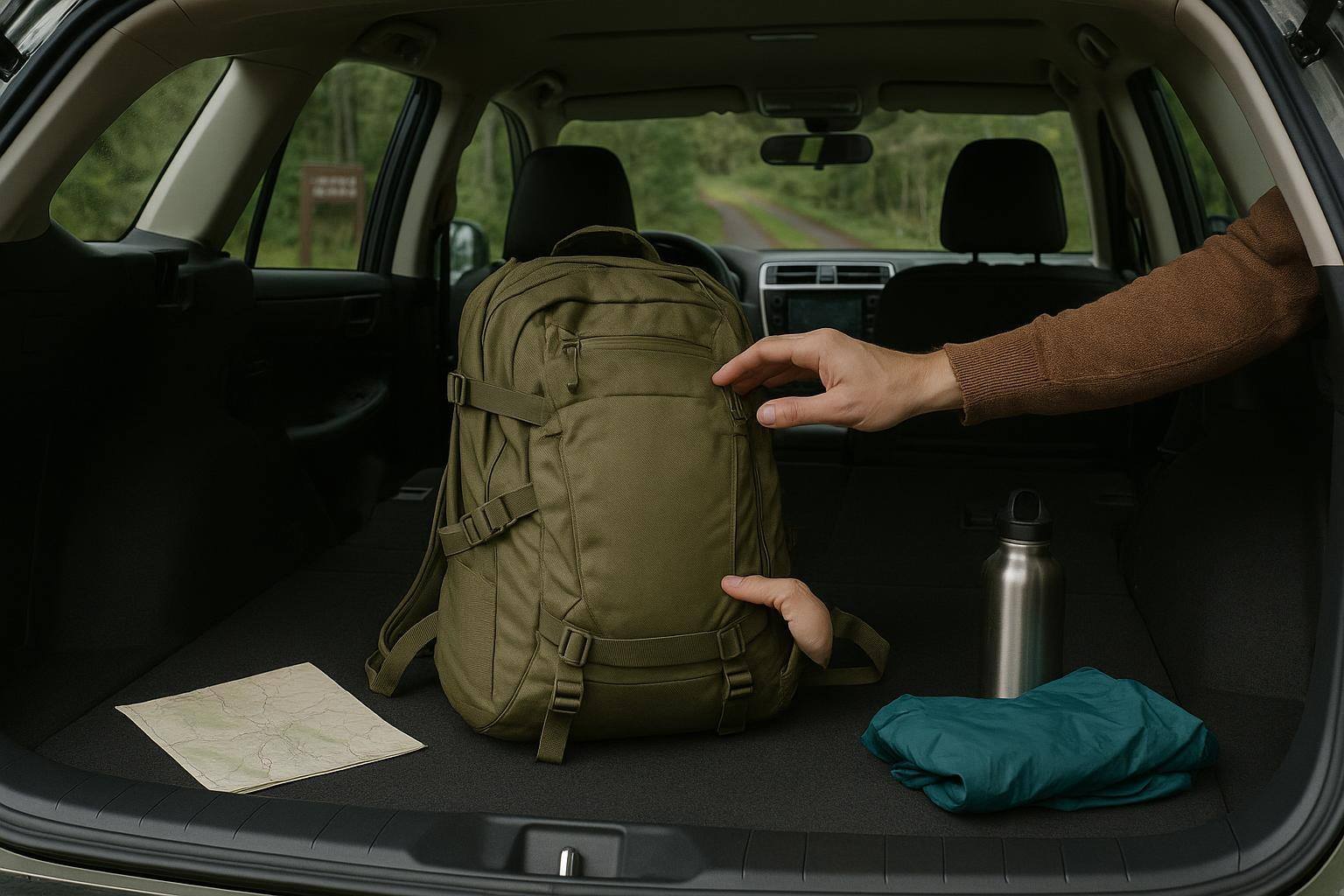
Everyone should carry enough of the right equipment for the day. That might include supportive shoes, layers, water, food for the day, a phone charged in case of an emergency, and some simple means of protecting against the weather (e.g. hat, sunscreen, brolly, etc.). Organizer may want to bring a basic first aid kit and/or a map/printed copy of route information.
Don't solve all the problems of a walk by adding more kit. If you share items between your group then make sure they are used correctly and be sure to try on any footwear, poles or rucksacks that others may borrow before you set out on the walk. Remember new kit can cause problems with blisters, sore points on your feet and even affect your manner of walking.
Additional personal items which the participant may need because of their illness or disability should be brought by the participant and the group made aware of how they will be carried. However, the group should not be told how to manage a participant's medical needs.
Build outdoor safety into the decision
Check forecast before you set off and also check for any current restrictions on access to the trail. Look for information on weather warnings and the state of any water crossings on your route. Also check for any recent changes to requirements and local guidance for the area you are visiting and make sure you are using the most up to date official information.
Let someone know where you are going and when you expect to return, especially if you are a small group going on a lesser known walk. Make sure your phone is fully charged but remember that there is no guarantee of signal in rural areas. Severely pain, dizziness, confusion, severe or unusual breathlessness or an injury? Stop and sort out the problem, seek help through local emergency services if necessary.
Don't mistake unknowns for steep hills in the middle of your route for example. Don't confuse the distance of a route with its overall difficulty. People may feel embarrassed to reduce their distance traveled at some points but should be allowed to do so if needed without being asked questions as to why. Clearly state a number of turnaround points prior to setting off.
Give your group options not to complete the whole of the route you have planned for them eg. let them continue, shorten their day, wait at a viewpoint or head back home as they feel fit. None of these options signify failure on your part as a group leader, rather they are characteristics of safe and enjoyable group hiking and that is what we are aiming for.